As a scientist, I study how pollinators respond to and persist in human-altered landscapes. I approach this goal in three ways.
1) asking questions at intersection of natural history and population ecology
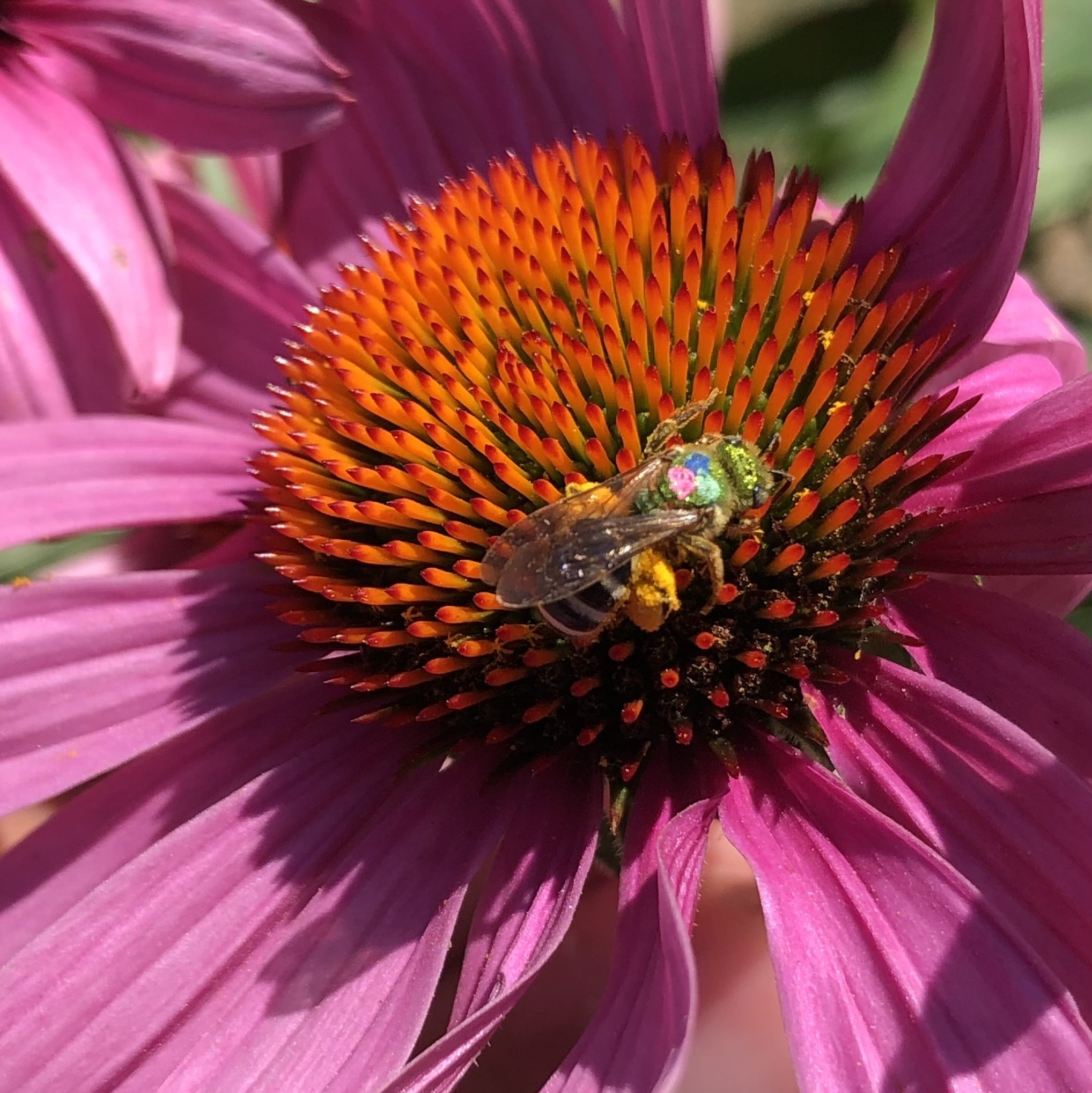
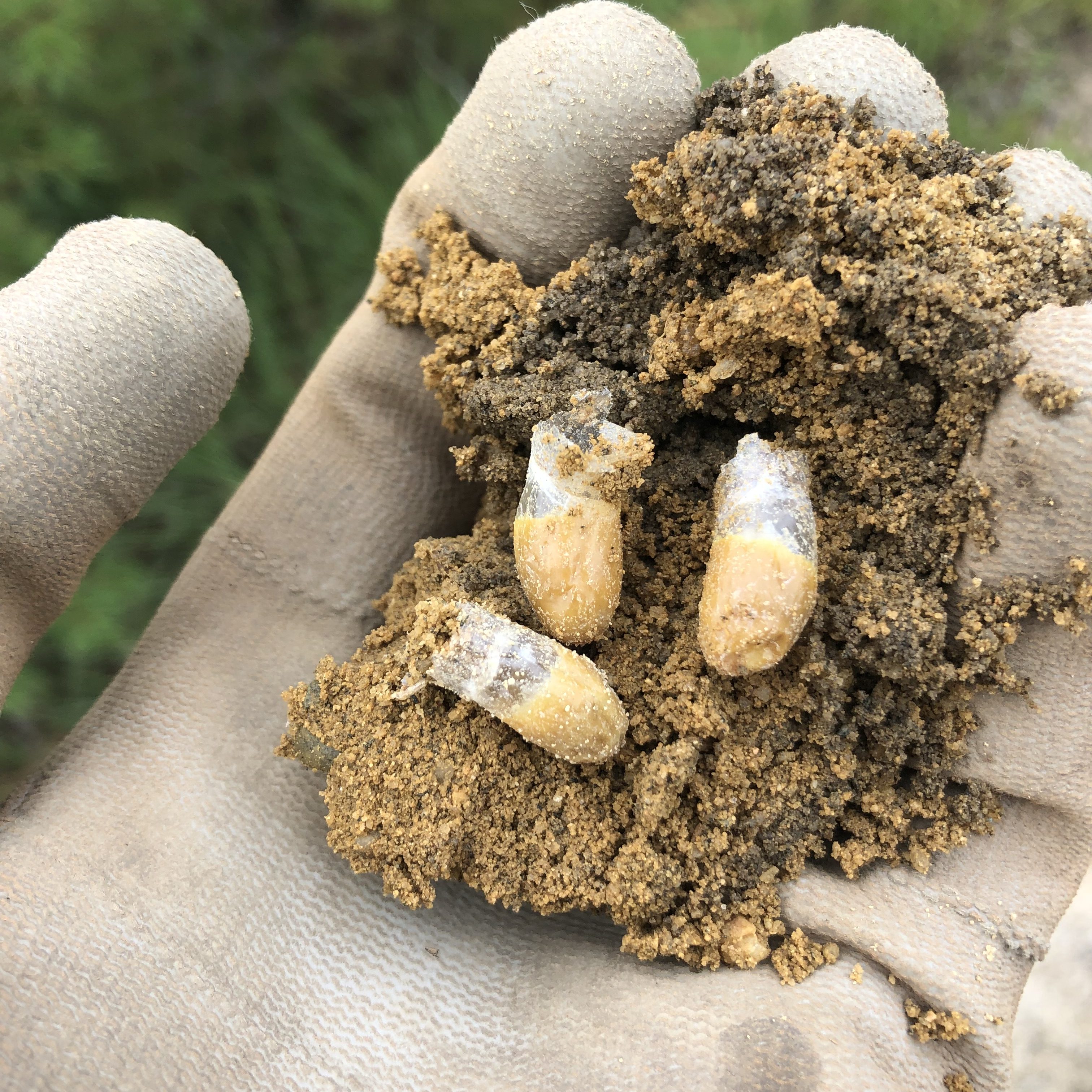
Predicting responses of species to environmental change requires integrating information across the entire life cycle. I am particularly fascinated by cryptic phenomena such as prolonged dormancy and long-distance movement, and the consequences of these often overlooked events for population persistence. I study bees in both natural and urban ecosystems, and I combine field observations with rigorous analytical methods to draw conclusions.
2) building capacity within science for new lines of research
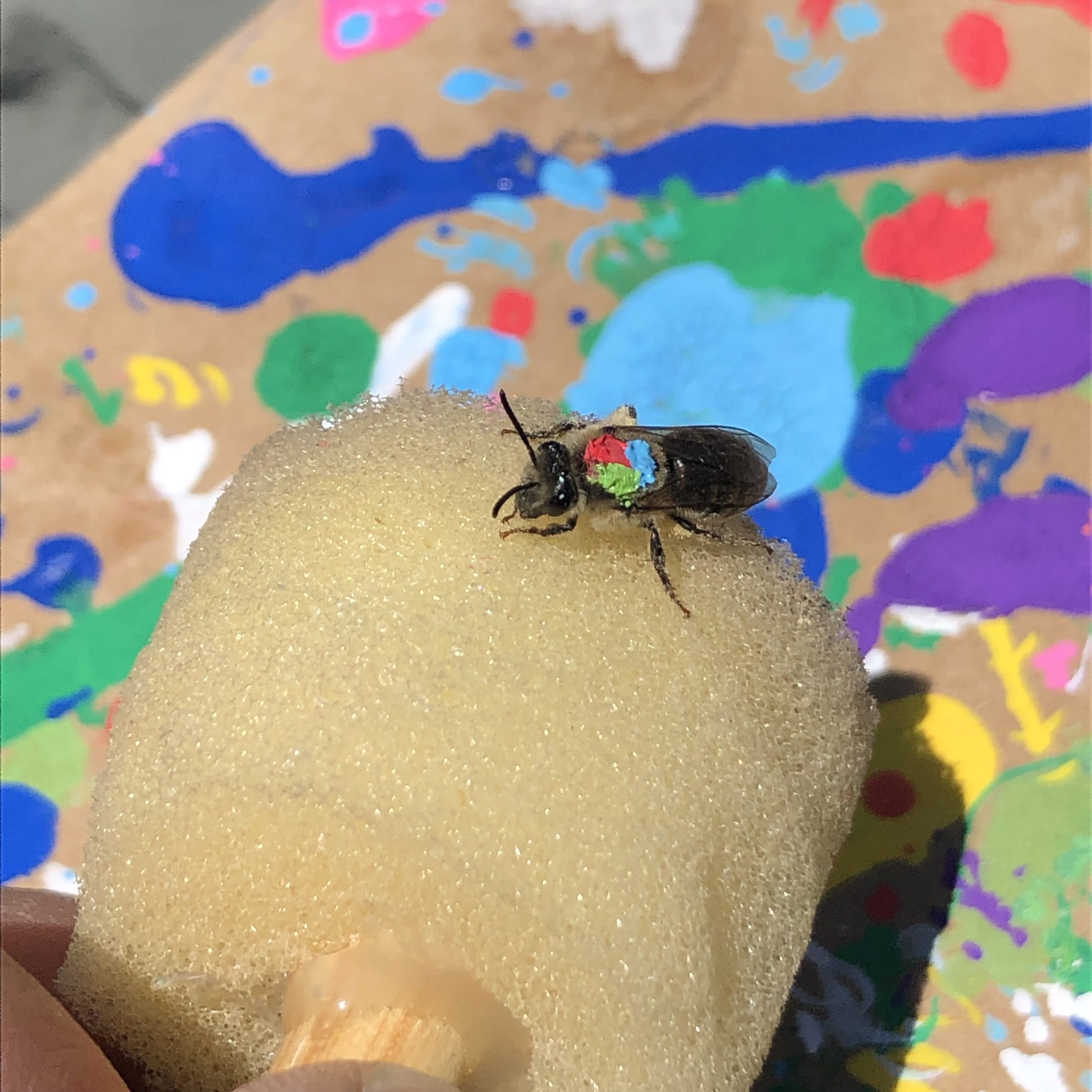
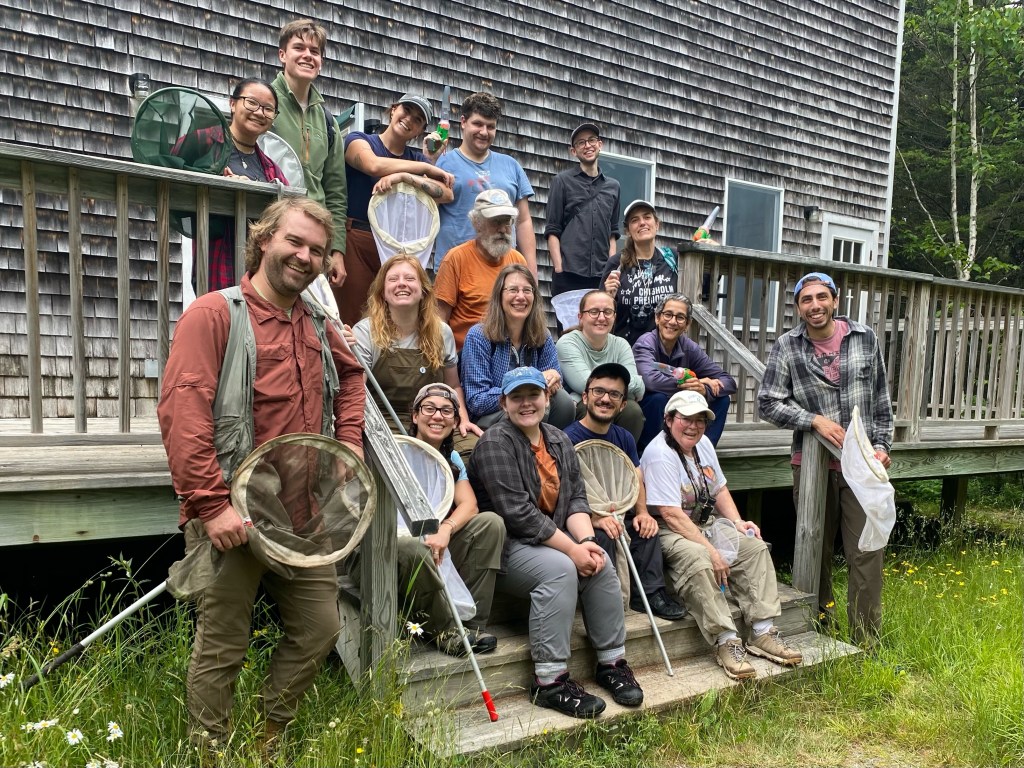
I pioneer the use of new non-lethal methods for studying wild bees, which can help us fill key gaps in their life cycles. I take steps to disseminate this knowledge to peer scientists by developing straightforward resources and teaching an annual course on bee identification at Eagle Hill Institute. I also prioritize training diverse students in research, from idea conceptualization through data analysis and publication.
3) identifying best practices for pollinator gardens
My postdoctoral research work at Chicago Botanic Garden aims to identify best-practices for how backyard gardeners can steward their landscapes to best support pollinators.
A list of my publications can be found here. Please reach out if you would like a copy of my work.
 Nick Dorian